
6 min read · Last updated July 20, 2026
- A manufacturer warranty is free to use and covers defects; a home warranty is a paid service contract that charges a service fee, typically $75 to $150, on every visit.
- Most home warranty contracts contain a clause excluding any item still covered by a manufacturer warranty, so filing with the home warranty first can end in an automatic denial.
- The rule for an appliance covered by both: call the manufacturer first, every time the item is still inside its manufacturer window.
- Calling in the wrong order can cost you the service fee plus a denial, for nothing.
In this article
– The two coverages are not the same thing – Why manufacturer-first is almost always right – The overlap clause that causes denials – The call-order checklist – Frequently asked questions
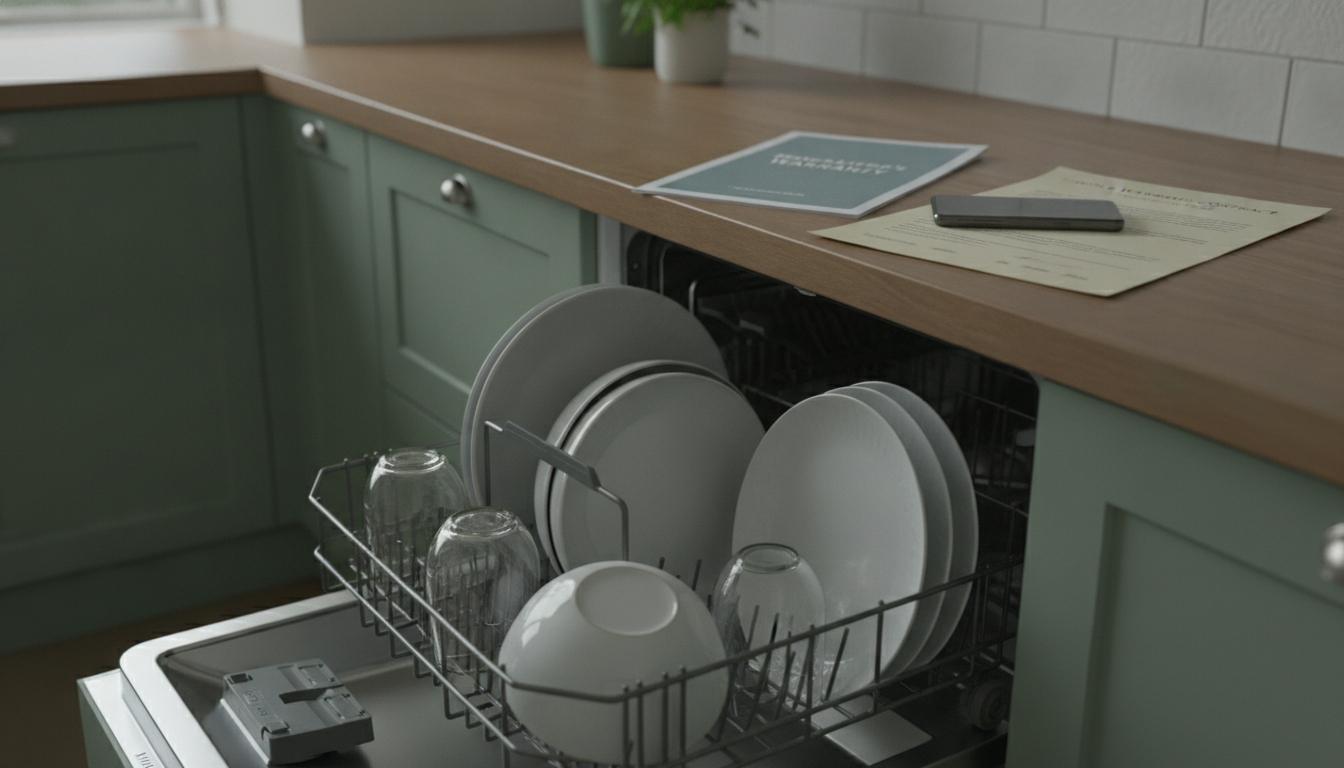
Two years into owning their home, the Bennetts’ dishwasher stopped draining. It still had a year left on its three-year manufacturer warranty, and it was also covered by the home warranty they bought when they moved in. They called the home warranty company first, because that was the plan they paid a premium for every month. A technician came out, charged them a $125 service fee, and then denied the claim because the appliance was still under manufacturer coverage. They paid $125 to be told to call someone else.
The mistake is common because it feels backward. You pay for the home warranty, so it feels like the thing you should use. But when an appliance is covered by both, the free coverage comes first. Here is how to think about it so you never pay a fee for a denial.
The two coverages are not the same thing
These two protections get lumped together, but they work in opposite ways. A manufacturer warranty comes with the appliance, costs nothing to use, and covers defects in materials or workmanship for a set period, often one to three years. Federal law shapes how these written warranties work; the Federal Trade Commission is the agency that enforces warranty rules and can help you understand your rights under one.
A home warranty is something else entirely. It is a paid service contract you buy, usually around $500 to $900 a year, that covers the repair or replacement of home systems and appliances when they break down from normal wear and tear. It charges a service call fee, commonly $75 to $150, every time you request a visit, regardless of whether the claim is approved. We break down exactly what a home warranty covers in a separate guide.
The practical difference: the manufacturer warranty is defect coverage that is free to use, and the home warranty is wear-and-tear coverage that costs a fee per visit.
Why manufacturer-first is almost always right
When an appliance is young enough to still be under its manufacturer warranty, that coverage is better for you on almost every axis. It has no service fee. It is designed specifically for defects, which is what usually goes wrong with a newer appliance. And it often covers the full repair or a replacement unit without the caps and depreciation schedules a home warranty applies.
Calling the manufacturer first also protects you from a paperwork trap. If a home warranty technician determines the failure came from a manufacturing defect, they can decline it as the manufacturer’s responsibility. If they decide the previous owner installed the unit improperly, they can decline it as a pre-existing or improper-installation exclusion, a denial reason home warranty contracts lean on heavily. The manufacturer warranty sidesteps both, because covering defects is its entire job.
The overlap clause that causes denials
Here is the part almost no one reads until after they have paid a fee for nothing.
Pull out your home warranty contract and search the exclusions section for language about “other warranties” or “manufacturer’s warranty.” Nearly all of them say the same thing: they will not cover what another warranty is obligated to cover. That is not a loophole the company hides. It is standard, and it is reasonable, because you already have coverage for that item. But it means that if you call them first on an appliance still under manufacturer warranty, you have handed over a service fee for a claim they were always going to decline.
The only time this flips is when the manufacturer warranty has expired. Once the appliance is past its manufacturer window, the home warranty becomes your primary coverage, and calling them first is correct.
The call-order checklist
When something breaks, run these steps in order before you dial anyone.

First, find the appliance’s age and its manufacturer warranty length. Check the purchase receipt, the manual, or the manufacturer’s website using the model and serial number. Most appliance warranties run one to three years from the purchase or installation date.
Second, if the appliance is still inside that window, call the manufacturer or the authorized service line first. No fee, defect coverage, no overlap problem.
Third, if the manufacturer warranty has expired, call your home warranty company. Pay the service fee knowing it is now your primary coverage and the claim has a real chance of approval.
The table below is the whole decision in one view.
| Factor | Manufacturer warranty | Home warranty |
|---|---|---|
| Cost to use | Free | Service fee $75 to $150 per visit |
| What it covers | Defects in materials and workmanship | Breakdowns from normal wear and tear |
| Typical length | 1 to 3 years from purchase | Ongoing while you pay the annual premium |
| Overlap rule | Pays first on covered items | Excludes items still under manufacturer coverage |
| Best for | Newer appliances still in their warranty window | Older appliances past the manufacturer window |
For the Bennetts, the answer was sitting on the appliance the whole time. The dishwasher had a year of manufacturer coverage left. One call to the manufacturer’s service line, no fee, and the drain pump was replaced under warranty. The $125 they spent first was the tuition for learning the order.
Frequently asked questions
If an appliance is under both warranties, which do I call first? Call the manufacturer first, every time the appliance is still inside its manufacturer warranty window. Manufacturer coverage is free to use, is built for defects, and does not charge the per-visit service fee a home warranty does. Only call the home warranty first once the manufacturer coverage has expired.
Why would a home warranty deny a claim on an appliance still under manufacturer warranty? Most home warranty contracts include an exclusion for any item still covered by another warranty. Because the manufacturer is obligated to fix a covered defect, the home warranty company will decline it, and you still owe the service fee for the visit.
How much is a home warranty service fee? Service call fees commonly run $75 to $150 per visit, and you pay it whether or not the claim is approved. That is the main reason it does not make sense to call the home warranty first on an appliance the manufacturer will repair for free.
How do I find out if my appliance is still under manufacturer warranty? Check the purchase receipt, the owner’s manual, or the manufacturer’s website using the model and serial number from the label on the appliance. Most appliance warranties last one to three years from the purchase or installation date.
When does the home warranty become the right first call? Once the manufacturer warranty has expired, the home warranty is your primary coverage. At that point, calling them first is correct, and paying the service fee is reasonable because the breakdown is now something they are contracted to handle.
Weighing whether a home warranty is worth it on your home?
Compare home warranty plans and coverage terms before your appliances age out of their manufacturer warranties.
Compare Home Warranty Plans →

Leave a Reply