

7 min read · Last updated May 23, 2026
- Moving from a $1,000 to a $5,000 deductible typically drops the annual premium by 15-25% on a standard HO-3 policy.
- The break-even math: divide your annual savings into the $4,000 deductible gap. If you go more than 8 years between claims, the higher deductible wins.
- Wind/hail and hurricane policies often carry a separate percentage-based deductible (1-5% of dwelling coverage) that does not change when you raise the all-other-perils deductible.
- The $2,500 middle-ground deductible is the overlooked move for most homeowners and saves about 10-15% on premium.
In this article
– What raising the deductible actually trades – The break-even math homeowners get wrong – When raising the deductible pays off – When it backfires – The $2,500 middle move – FAQ
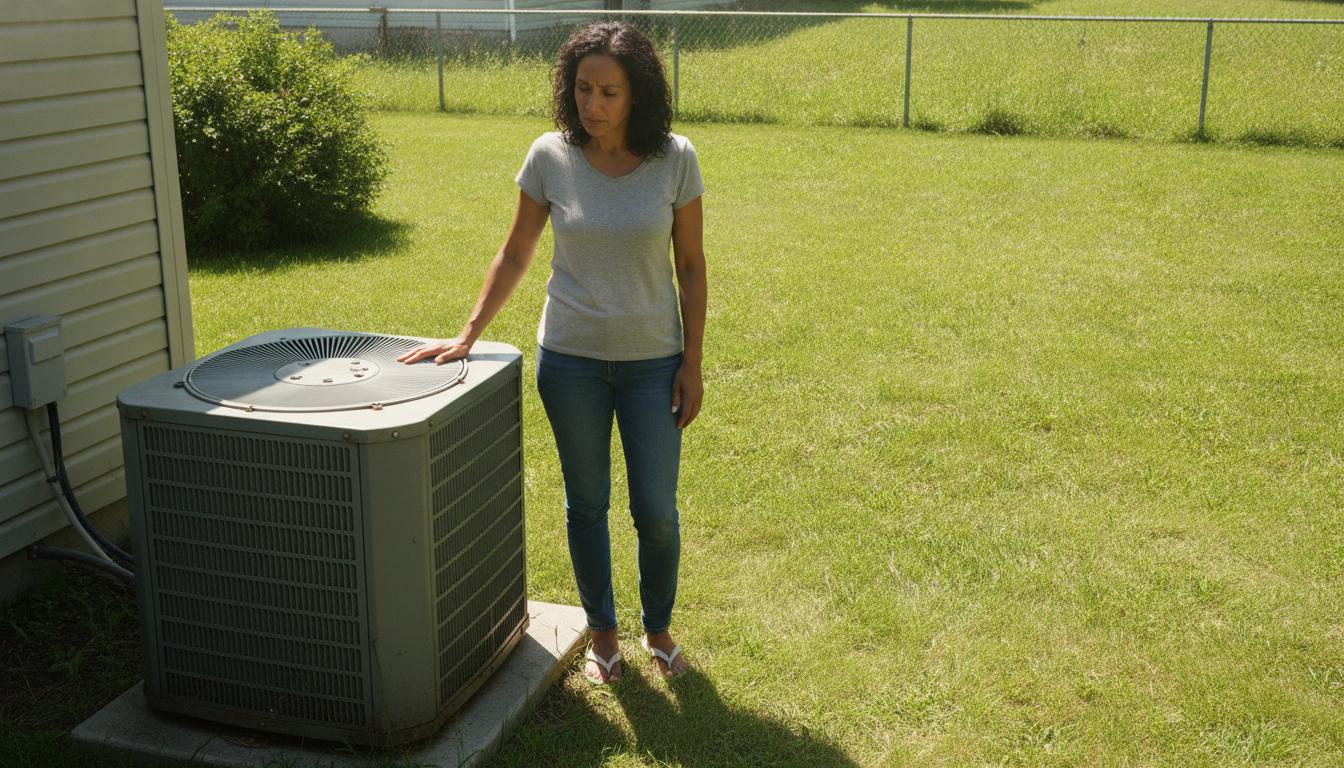
Sofía, a 47-year-old homeowner in Lexington, Kentucky, opened her policy renewal in early May 2026 and saw the premium jumped to $2,840 from $2,350 the year before, a 21% increase with no claims on the policy. Her agent suggested raising her deductible from $1,000 to $5,000, which would drop the premium by about $480 a year. The savings sound real. The decision is not as simple as her agent made it.
What raising the deductible actually trades
A homeowners insurance deductible is the amount you pay out of pocket on a covered claim before the insurer pays the rest. A $1,000 deductible means a $15,000 hail damage claim pays you $14,000. A $5,000 deductible on the same claim pays you $10,000.
Carriers offer lower premiums for higher deductibles because they expect to pay out less per claim. The premium cut is real money. But the cut comes from one place: the next time you file a claim, the insurer keeps an extra $4,000 of the payout. Whether that trade favors you depends on how often you file claims and how comfortable you are absorbing the extra cost when one happens.
The standard deductible levels offered on an HO-3 policy in most states are $500, $1,000, $2,500, $5,000, and $10,000. According to the National Association of Insurance Commissioners, homeowners file a claim roughly every 10-15 years on average. The “average” hides huge variation: someone in a hail-prone Texas county files more often, while someone in a coastal area might go decades without an all-perils claim but face a separate hurricane deductible when one hits.
The break-even math homeowners get wrong
The simple version: divide your annual premium savings into the dollar gap between the old deductible and the new one. The result is the number of claim-free years required to break even.
Sofía’s case: $480 a year in savings, $4,000 gap between $1,000 and $5,000 deductibles. That is $4,000 ÷ $480 = 8.3 years between claims to break even.
If Sofía files a claim within 8 years, the higher deductible costs her more than the premium savings returned. If she goes more than 8 years between claims, she comes out ahead. The longer the gap between claims, the better the math.
The trickier version that homeowners miss: most policies have separate deductibles for wind/hail, hurricanes, and named storms. Raising the all-perils deductible from $1,000 to $5,000 does not change the wind/hail deductible if your policy has one. In Kentucky, wind/hail deductibles typically scale with dwelling coverage and are often expressed as a percentage. On a $400,000 dwelling, a 2% wind/hail deductible is $8,000, applied independently of the all-perils number. The premium savings still apply, but a hail storm next April would trigger the $8,000 wind/hail deductible regardless of what Sofía did to the other one.
Pull the policy declarations page and look for “deductible” listed multiple times. If you see a separate wind, hail, hurricane, or named-storm deductible, the break-even math runs only against the perils that share the all-perils deductible (fire, theft, plumbing leaks, falling objects, vandalism, etc.).
When raising the deductible pays off
Three situations make the higher deductible the smart play.
You have a solid emergency fund. The $5,000 deductible is only viable if you can write a check for $5,000 without putting the household in financial stress. A homeowner with $3,000 in savings is making the wrong trade. A homeowner with $25,000 in savings is making the right one because they can absorb the deductible without disrupting other obligations.
Your claim history is clean. If you have not filed a claim in 10+ years, the actuarial pattern says you probably will not in the next 8 either. Behavior is sticky. Carriers reward this pattern in the form of better re-rating and renewal pricing, on top of the premium savings.
You are using insurance for catastrophe, not maintenance. Homeowners who file small claims for water damage, broken windows, or shingle loss are using the policy as a maintenance subsidy. That pattern triggers premium hikes, non-renewals, and CLUE database flags that follow the property for years. A higher deductible breaks that pattern by making small claims uneconomic to file, which forces homeowners to handle minor repairs out of pocket and reserve insurance for true catastrophes. The result is lower premiums and a cleaner record. Knowing when to file a claim is half the discipline.
When it backfires
The higher deductible is the wrong call in three cases.
Separate wind/hail deductible is large. If your wind/hail deductible is already 2-5% of dwelling, raising the all-perils deductible saves money but leaves you exposed on the more likely claim path. In hail-prone regions, this is where most homeowners actually file. The math math runs differently.

Emergency fund is thin. A $5,000 deductible after a kitchen fire is a financial body blow if the household is already living paycheck to paycheck. The premium savings of $480 a year do not justify the risk of a $5,000 hit you cannot absorb.
Your home has aging systems. A 22-year-old roof, original-to-the-house plumbing, or a 17-year-old HVAC system raises the probability of a near-term claim. Insurers know this and price for it. Homeowners with aging systems often see the break-even years stretch out because their actual claim probability is higher than the average.
If any of these three apply, hold the lower deductible and instead lower the premium through other levers: bundling with auto, raising the credit-based insurance score, requesting the loyalty discount, and confirming the dwelling coverage is at the right level instead of inflated.
The $2,500 middle move
Most homeowners debating $1,000 vs. $5,000 should look at $2,500 first. The premium savings on a $2,500 deductible vs. a $1,000 deductible is usually 10-15%, about 60% of the savings of a full $5,000 jump but with half the out-of-pocket risk.
On Sofía’s policy: a $2,500 deductible would drop the premium roughly $300 a year instead of $480. The break-even on the $1,500 gap divided by $300 is 5 years between claims. That is a much more forgiving timeline than 8 years, and it is realistic for someone who has only filed one claim in the last decade.
The $2,500 deductible also tends to be high enough to break the “use insurance for maintenance” pattern (most small claims under $2,500 net out to nothing after the deductible, so homeowners stop filing them) without being so high that a single claim disrupts the household budget.
FAQ
Does raising my deductible affect my mortgage? Most mortgage servicers require the homeowners insurance deductible stay below a percentage of dwelling coverage, often 1-2%. On a $400,000 dwelling, a $5,000 deductible is 1.25%, which is usually allowed. A $10,000 deductible would be 2.5% and might trigger a servicer review. Check your loan documents or call the servicer before changing the deductible to a high level.
Can I lower my deductible later if I change my mind? Yes, in most cases. You can request a deductible change at any time, but the premium credit will adjust accordingly. The carrier will not retroactively pay claims that already happened at the prior deductible. Some carriers limit deductible changes to renewal periods only; confirm with your agent.
How does the deductible work if multiple claims happen in one year? Each claim is subject to a separate deductible. If a tree falls on the roof in March and a kitchen fire happens in October, both claims trigger the full deductible independently. That is one reason raising the deductible to a level you cannot easily absorb gets risky.
Will my carrier non-renew me if I raise the deductible? No, raising the deductible never triggers non-renewal. Non-renewals usually come from claim frequency, severity, the property’s underwriting characteristics (roof age, plumbing material, location risk), or carrier portfolio decisions. A higher deductible can actually reduce non-renewal risk indirectly by reducing the number of small claims you file.
Does the deductible apply to liability claims? No. Liability coverage (someone gets hurt on your property) pays from the first dollar without a deductible. The deductible applies only to dwelling, other structures, personal property, and loss of use coverage, also called Coverage A through D on a standard HO-3 policy.
See what your premium looks like at each deductible level
Compare carriers side by side. Same coverage, three deductible options, real pricing for your home.
Compare Home Insurance Quotes →

Leave a Reply